DESIGN EXPERIENCE
How to Choose the Perfect Bridal Bouquet for Your Wedding in Italy
Bridal bouquet in Italy — Every bride deserves a bouquet that feels as special and unique as the love she’s celebrating.
Wedding Floral Design Guide
How to Choose the Perfect Bridal Bouquet
A Guide to Wedding Bouquets for Your Destination Wedding in Italy
The bridal bouquet is one of the most personal floral details of the wedding day.
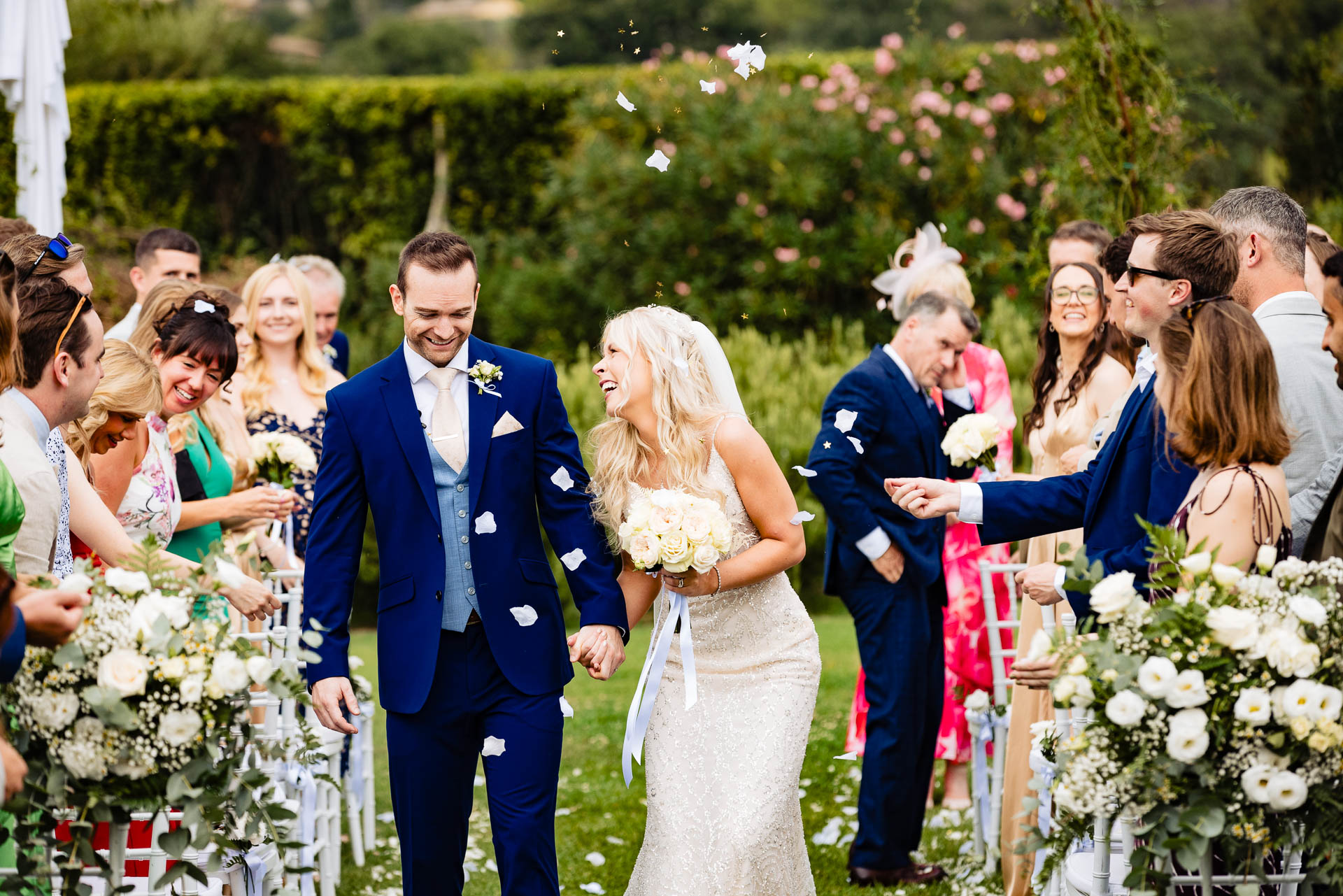
It is with the bride during the ceremony, in portraits, during the walk down the aisle and in some of the most emotional photographs of the day.
It is more than a floral arrangement.
It is an accessory, a design statement and a reflection of the bride’s style.
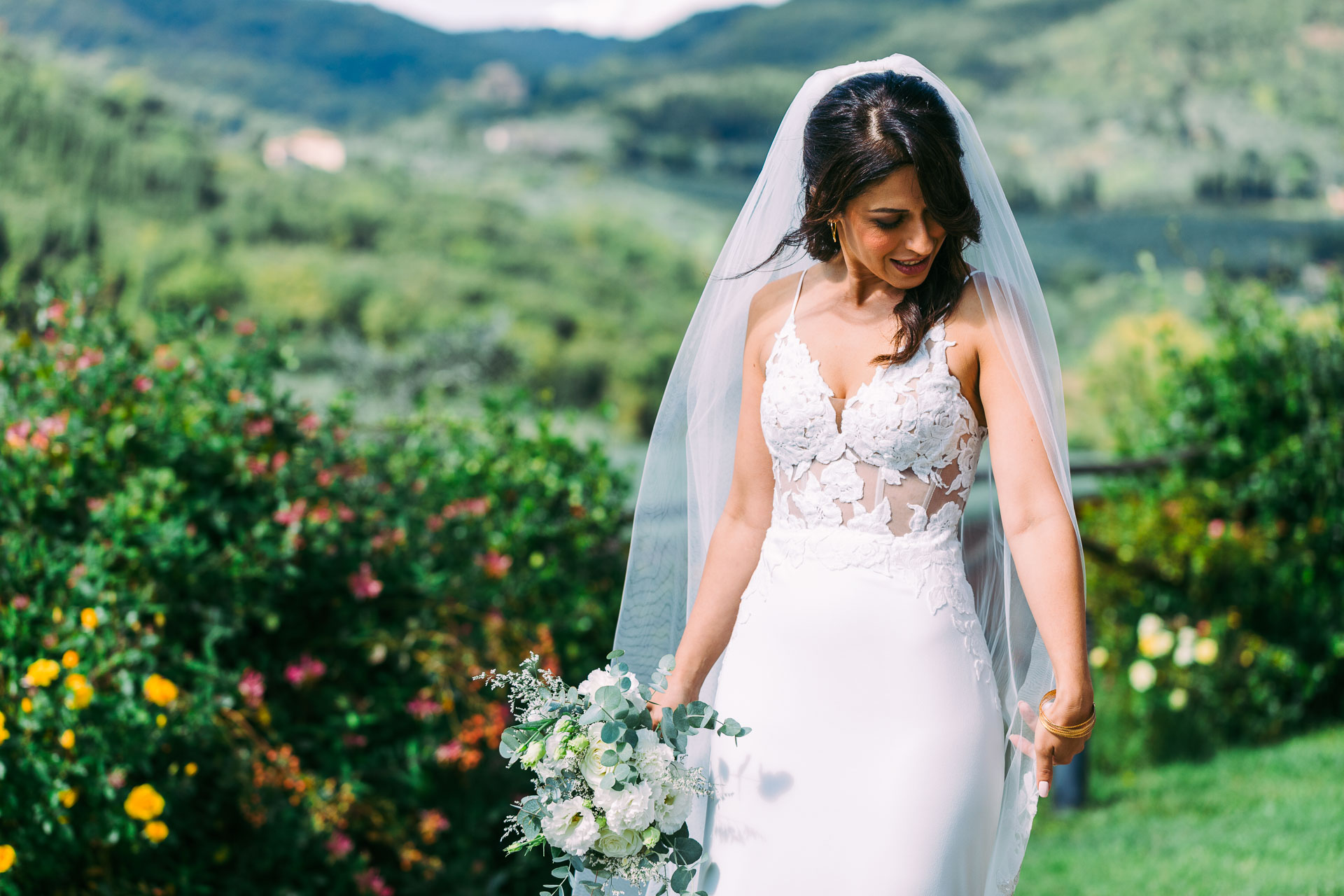
For a destination wedding in Italy, the bouquet should feel connected to the dress, the venue, the season, the floral design and the overall atmosphere of the celebration.
Trends can be useful for inspiration, but the right bouquet is not simply the one that appears most often online.
The right bridal bouquet is the one that feels proportionate, elegant and true to you.
Start with the Dress
Your wedding dress should be one of the first elements considered when choosing the bouquet.
The bouquet should complement the silhouette, texture and style of the gown rather than compete with it.
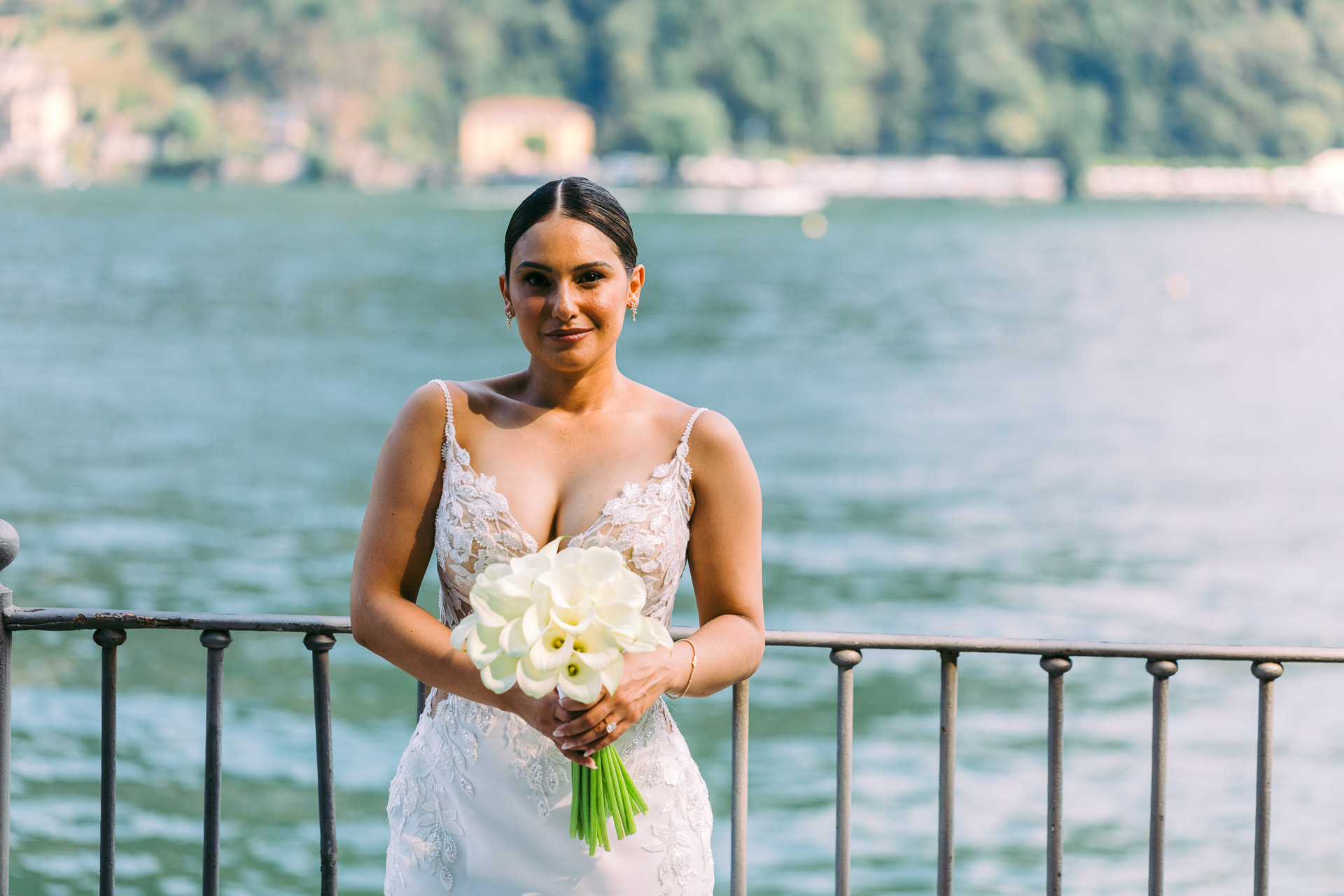
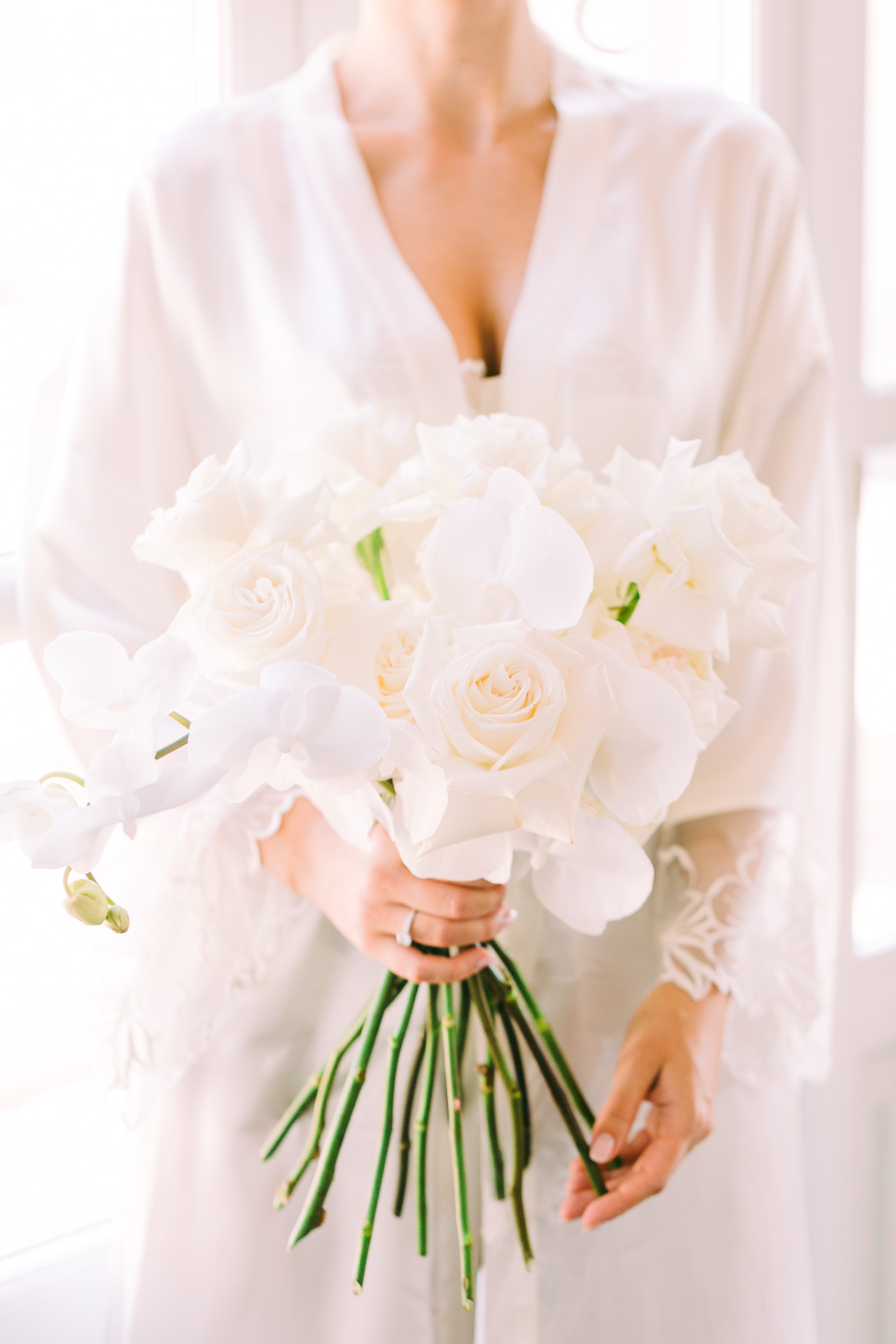
A minimalist dress can work beautifully with a structured, sculptural bouquet.
A romantic lace gown may call for softer florals and a more organic shape.
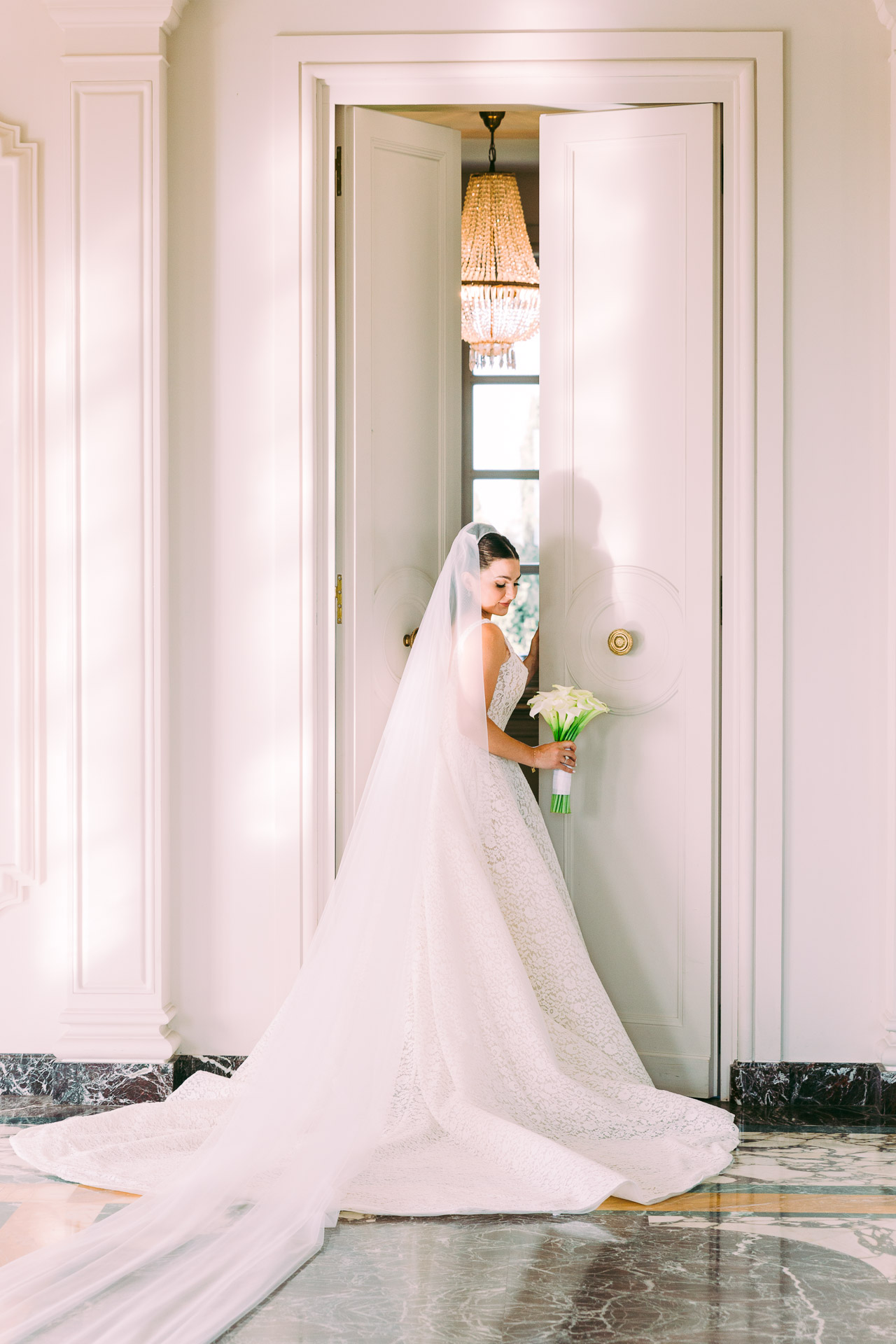
A dramatic dress with a long train may support a larger or cascading bouquet, while a clean modern gown may look best with a more refined arrangement.
the neckline of the dress;
the fabric and texture;
whether the gown is minimal or detailed;
the overall level of formality;
whether the bouquet should be soft, structured or dramatic;
how the bouquet will appear in portraits.
The bouquet should enhance the bridal look, not hide it.
Think About Proportion
Size matters when choosing a bridal bouquet.
A bouquet should feel balanced with the bride’s height, frame, dress and overall styling.
A very large bouquet can overpower a petite bride or cover too much of the dress.
A compact or softly structured bouquet often works better, especially if the gown has important details at the waist, bodice or skirt.
A bouquet that is too small can feel visually lost.
Taller brides can often carry a larger arrangement, a longer shape or a slightly cascading bouquet with more presence.
For Statement Dresses
If the dress is already dramatic, heavily embellished or very architectural, the bouquet should be carefully balanced.
It may need to be simpler, cleaner or more intentional so the full bridal look does not feel crowded.
Your florist can help adjust the size, length and shape based on your body, dress and photography style.
Choose a Color Palette
The bouquet should feel connected to the wedding color palette, but it does not need to match everything exactly.
It can either complement the ceremony flowers or create a subtle point of contrast.
Complementary Bouquet
A complementary bouquet uses tones that already appear in the wedding design.
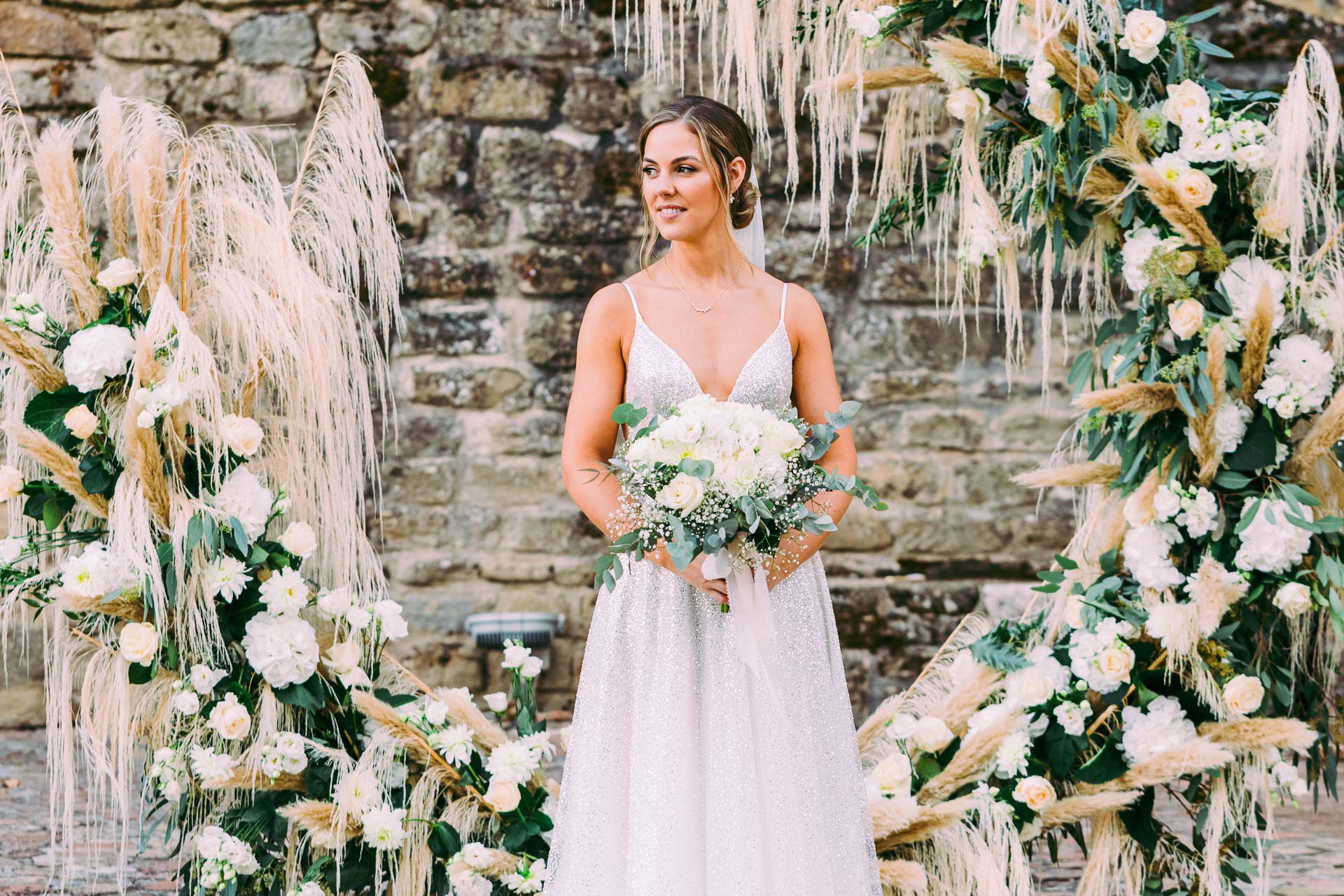
For example, if the ceremony flowers include ivory, blush, soft peach and greenery, the bouquet may follow the same palette for a cohesive and elegant effect.
A contrasting bouquet can become a stronger visual focal point.
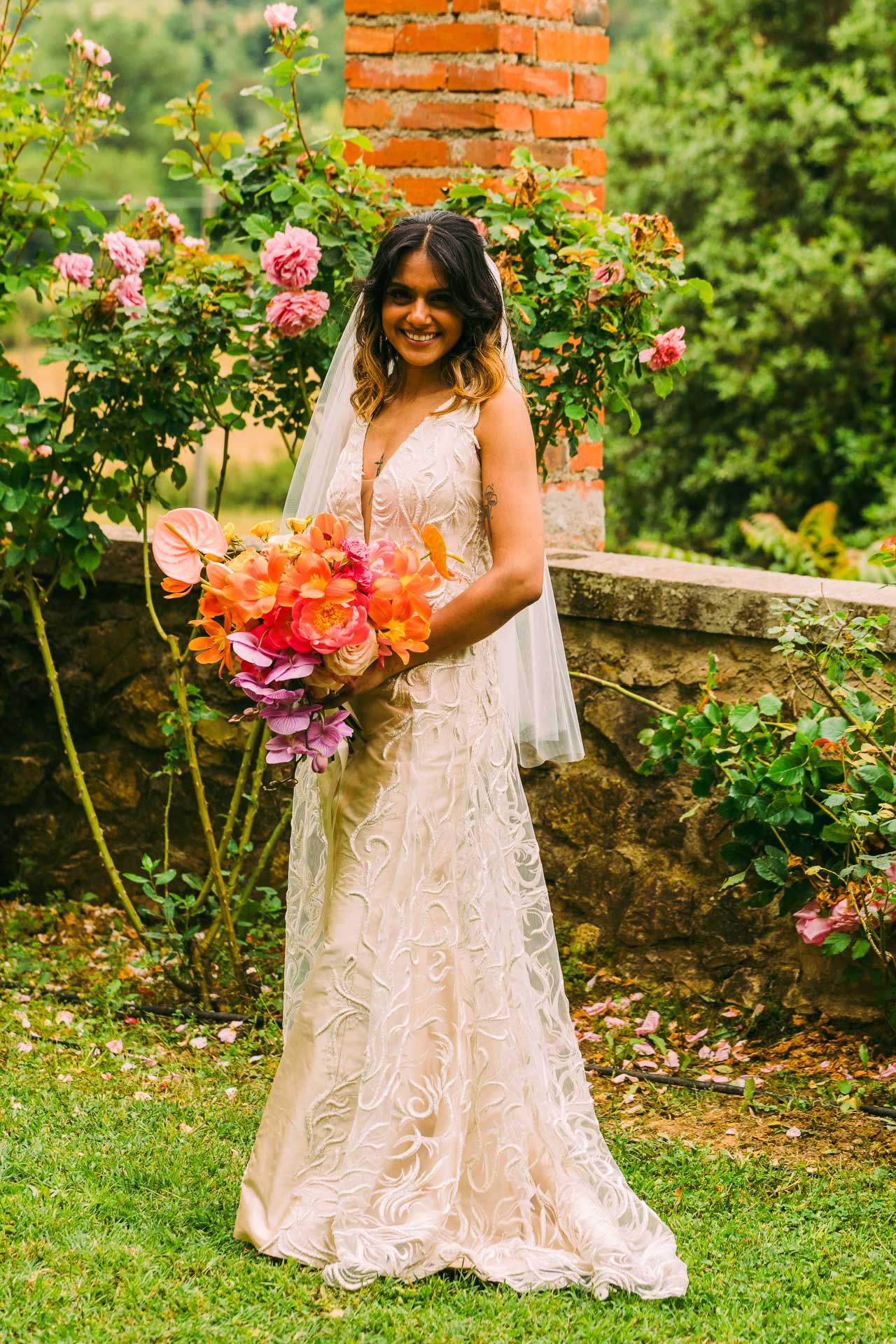
For example, if the ceremony design is mostly white and green, a bouquet with deeper pink, terracotta, burgundy or seasonal color can feel more personal and distinctive.
Contrast should still feel intentional.
The goal is not to create a bouquet that looks disconnected from the wedding.
The goal is to create a detail that feels alive within the wider design.
Consider the Venue and Setting
A bridal bouquet for a wedding in Italy should also respond to the location.
Different regions and venues naturally call for different floral moods.
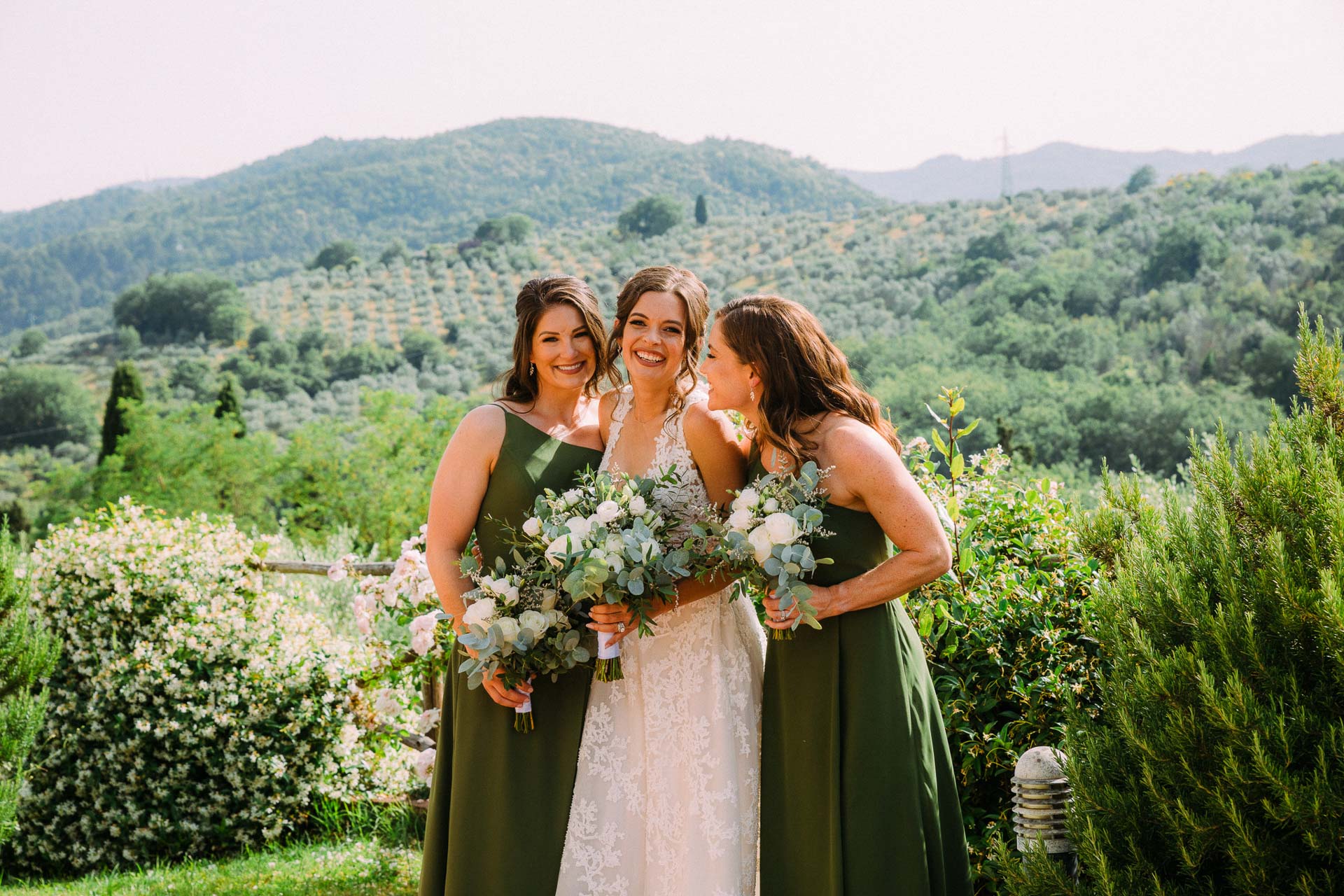
a Tuscan villa may suit soft garden florals, olive tones and seasonal texture;
a Lake Como wedding may call for refined, elegant and more formal florals;
an Amalfi Coast wedding may support citrus tones, Mediterranean foliage or brighter color;
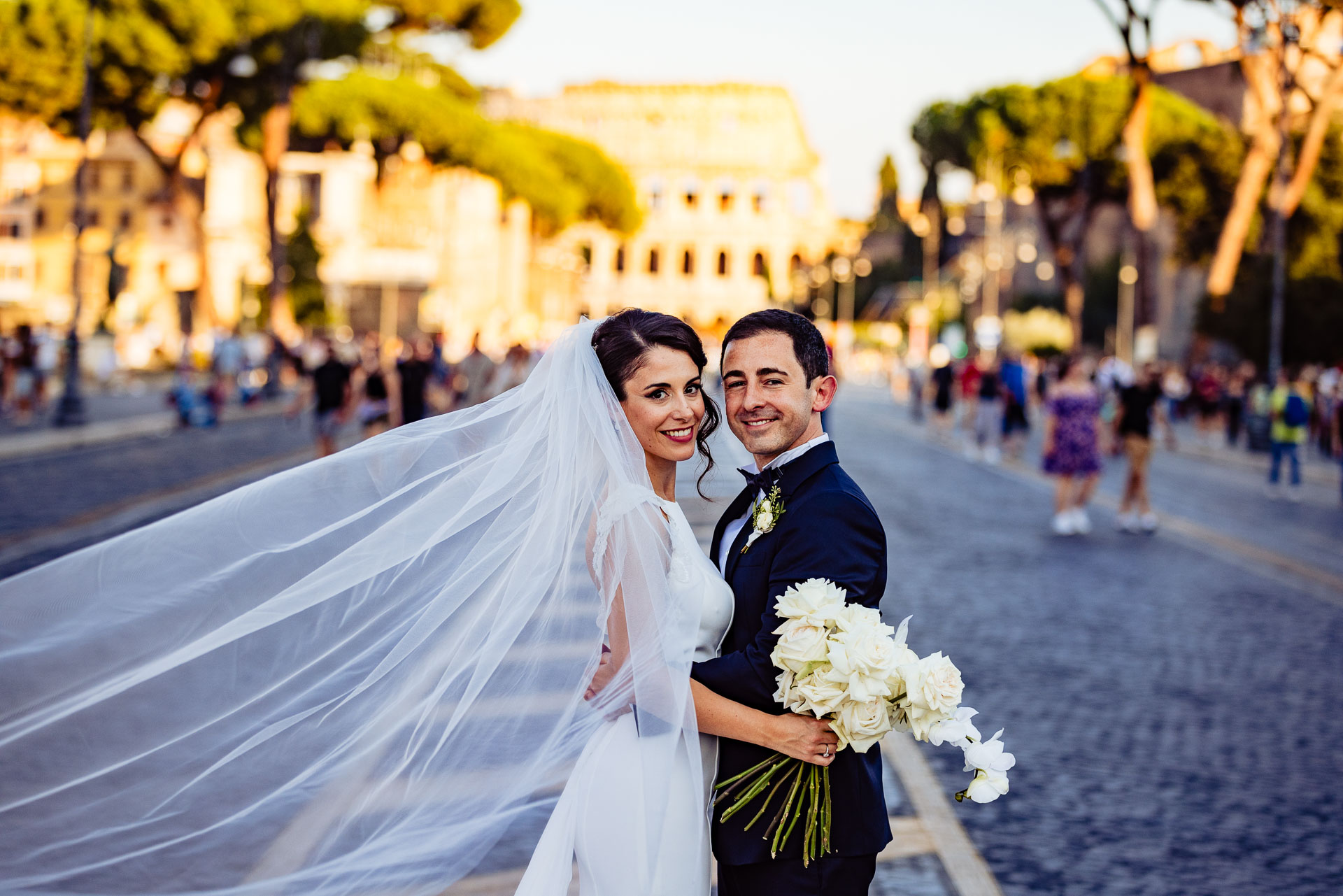
a Rome wedding may work beautifully with classic, polished and architectural arrangements;
a countryside estate may feel natural with looser, hand-tied florals.
The bouquet should belong to the place.
When the flowers feel connected to the setting, the entire wedding design becomes stronger.
Choose the Right Bouquet Shape
Bridal bouquets come in many shapes.
The best choice depends on the dress, venue, body proportions and overall wedding style.
Classic Round Bouquet
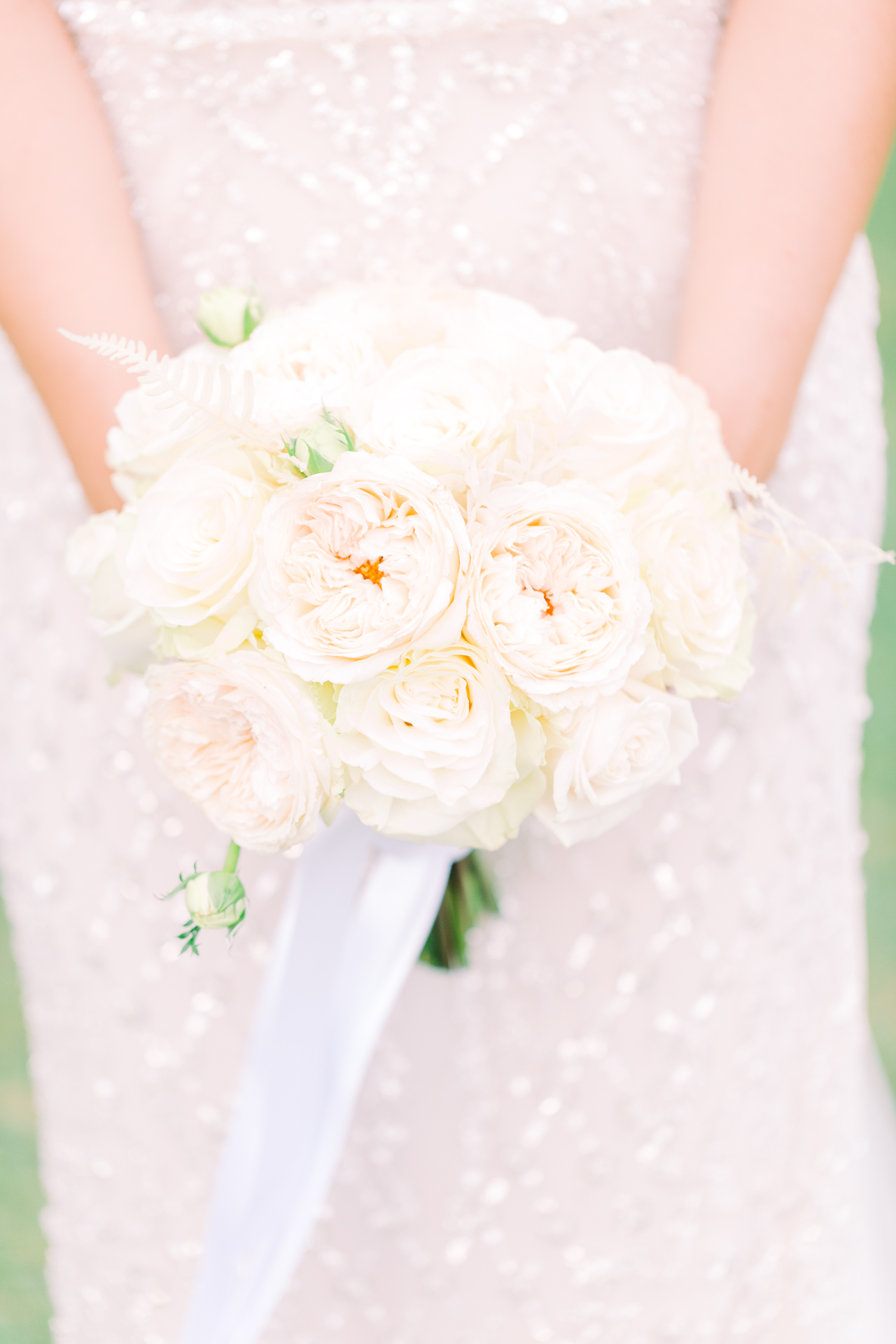
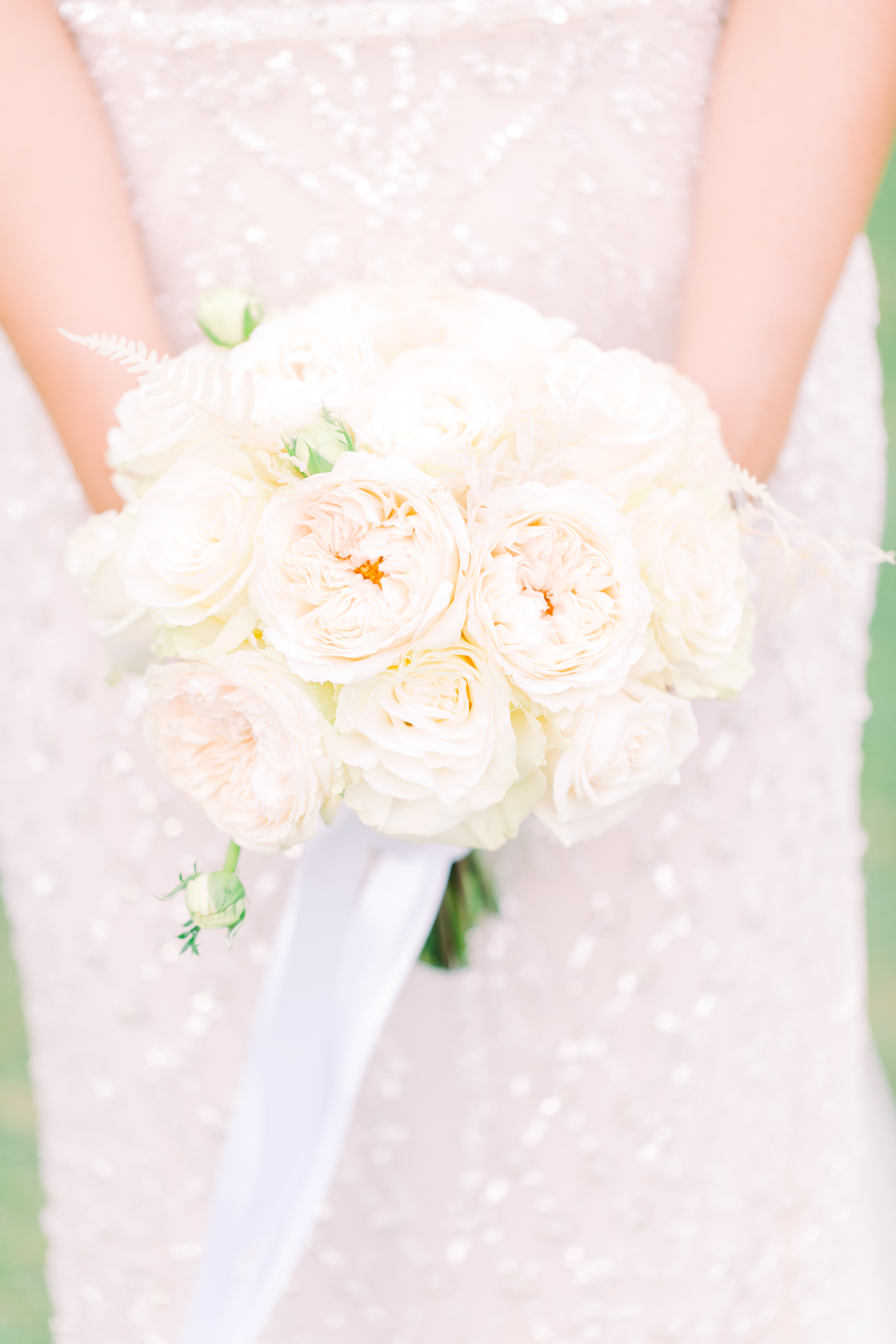
A round bouquet is timeless, elegant and structured.
It works well for classic weddings, formal venues and brides who want a clean and balanced look.
A cascading bouquet flows downward and creates a romantic, dramatic effect.
It can be beautiful with formal gowns, long trains and larger venues, but it needs to be proportionate and carefully designed.
Asymmetrical Bouquet
An asymmetrical bouquet feels modern, organic and slightly editorial.
It works well for couples who want something less traditional but still refined.
A hand-tied bouquet has a softer, more relaxed feeling.
It can look as though the flowers were gathered naturally, making it ideal for countryside weddings, garden ceremonies and less formal celebrations.
A minimal bouquet uses fewer flowers or a more restrained structure.
It can be very elegant when paired with a modern dress, strong venue or clean design concept.
Understand Seasonal Flowers
Flower availability changes throughout the year.
This is especially important for weddings in Italy, where seasonality can influence both cost and quality.
Choosing seasonal flowers can help the bouquet feel fresher, more natural and more aligned with the setting.
It can also help control costs.
Some flowers are expensive or difficult to source out of season.
If you love a specific flower, ask your florist whether it will be available during your wedding month and whether there are similar alternatives.
A skilled florist can often create the same mood with different flowers.
garden roses can sometimes create a romantic feeling similar to peonies;
ranunculus can add softness and texture;
sweet peas can bring delicate movement;
local greenery can connect the bouquet to the Italian landscape;
seasonal flowers often look more natural than imported blooms forced out of season.
Use Inspiration Images Carefully
Inspiration images are helpful, but they should be used as direction, not as exact instructions.
Flowers are organic.
No two blooms are identical.
Lighting, season, availability, flower size and florist technique all influence the final result.
When sending inspiration to your florist, explain what you like about each image.
the level of greenery;
the romantic or modern feeling;
the scale of the bouquet.
Do not expect an exact replica.
The best bouquets are inspired by references but created for your specific wedding.
Communicate Clearly with Your Florist
Unlike hair and makeup, there is usually no full bouquet trial before the wedding.
In many cases, you will see your bridal bouquet for the first time on the wedding day.
This is why clear communication matters.
Before the final floral order, share:
photos of your dress;
your height and general proportions;
your preferred bouquet shape;
flowers you dislike;
colors you want included or avoided;
the ceremony and reception floral direction;
your venue and wedding season.
This helps the florist understand the full context and design a bouquet that feels intentional.
A beautiful bridal bouquet does not always need to be huge or filled with rare flowers.
Budget depends on flower type, seasonality, size, complexity, labor and sourcing.
If you want to control costs, consider:
choosing seasonal flowers;
being flexible with specific varieties;
using a refined but smaller bouquet;
avoiding flowers that require special import;
asking the florist for similar alternatives;
focusing on shape and palette rather than rare blooms.
Sometimes a simple bouquet with excellent proportions is more elegant than a large bouquet with too many competing elements.
Do Not Forget Practical Details
The bouquet should look beautiful, but it should also be comfortable to hold.
On the wedding day, you will carry it during the ceremony, portraits and possibly part of the reception entrance.
whether the bouquet is too heavy;
whether it hides the dress;
whether stems are comfortable to hold;
whether any flowers are delicate in heat;
whether the bouquet will last through outdoor photos;
whether it needs to be refreshed or stored in water before the ceremony.
For summer weddings in Italy, heat resistance is especially important.
Your florist can advise which flowers will hold better in warm weather.
Frequently Asked Questions
How do I choose my bridal bouquet?
Start with your dress, body proportions, venue, season and wedding color palette. Then work with your florist to choose the shape, size and flowers that best fit your overall style.
Should my bouquet match the ceremony flowers?
It should feel connected to the ceremony flowers, but it does not need to match exactly. It can complement the design or create a subtle contrast within the same overall palette.
What bouquet shape is best for a destination wedding in Italy?
It depends on the dress, venue and style. Classic round bouquets, hand-tied bouquets, asymmetrical designs and cascading bouquets can all work beautifully when proportioned correctly.
Can I copy a bouquet from Pinterest?
You can use Pinterest as inspiration, but no bouquet will be an exact replica. Flowers are natural and availability changes by season, so your florist will interpret the mood rather than copy it perfectly.
How can I save money on my bridal bouquet?
Choose seasonal flowers, remain flexible with specific varieties, ask for similar alternatives and focus on a refined shape and palette rather than rare or imported blooms.
Your bridal bouquet should feel personal, beautiful and balanced.
It should work with your dress, your body, your venue and your wedding design.
It does not need to follow every trend.
It does not need to copy an image exactly.
It simply needs to feel right for you and for the wedding you are creating.
With clear communication, seasonal choices and a trusted florist, your bouquet can become one of the most memorable details of the day.
Planning Your Wedding Flowers in Italy?
Dolce Promessa helps international couples create refined destination weddings across Tuscany, Lake Como, the Amalfi Coast, Rome and private Italian estates — with floral design guidance, trusted vendor curation, venue direction, budget clarity and guest logistics.
Begin your wedding journey with us.
With care, Sofia Lead Planner & Experience Designer Dolce Promessa