PLANNING KNOWLEDGE
Wedding Catering Cost in Italy: What Couples Should Expect
Wedding catering cost in Italy — The Ultimate Guide to Wedding Catering Costs in Italy: What to Expect and Why It’s Worth It.

Wedding Budget Guide
Wedding Catering Cost in Italy
What Couples Should Expect from an Italian Wedding Meal
Food is one of the most important parts of a wedding in Italy.
For many international couples, the wedding meal is not simply dinner.
It is one of the main reasons they choose Italy: generous aperitivo, regional flavors, handmade pasta, wine, conversation, dessert, cake and a long evening of celebration.
But how much does wedding catering cost in Italy?
The answer depends on the region, venue, caterer, menu, guest count, rental needs, bar structure and number of events.
This guide explains what is usually included in Italian wedding catering, how pricing works and what couples should budget for when planning a destination wedding in Italy.
Italian Wedding Catering Is More Than Dinner
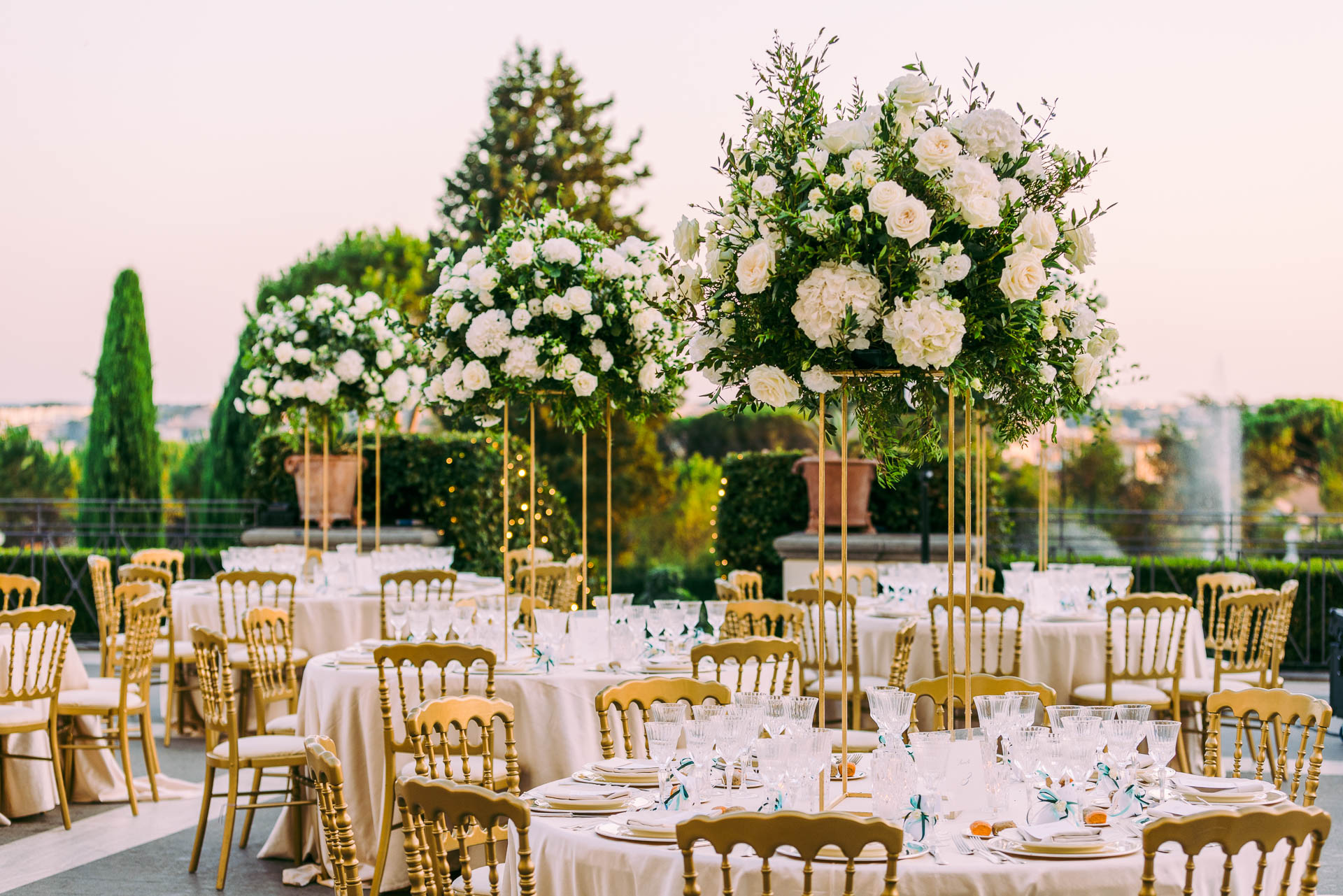
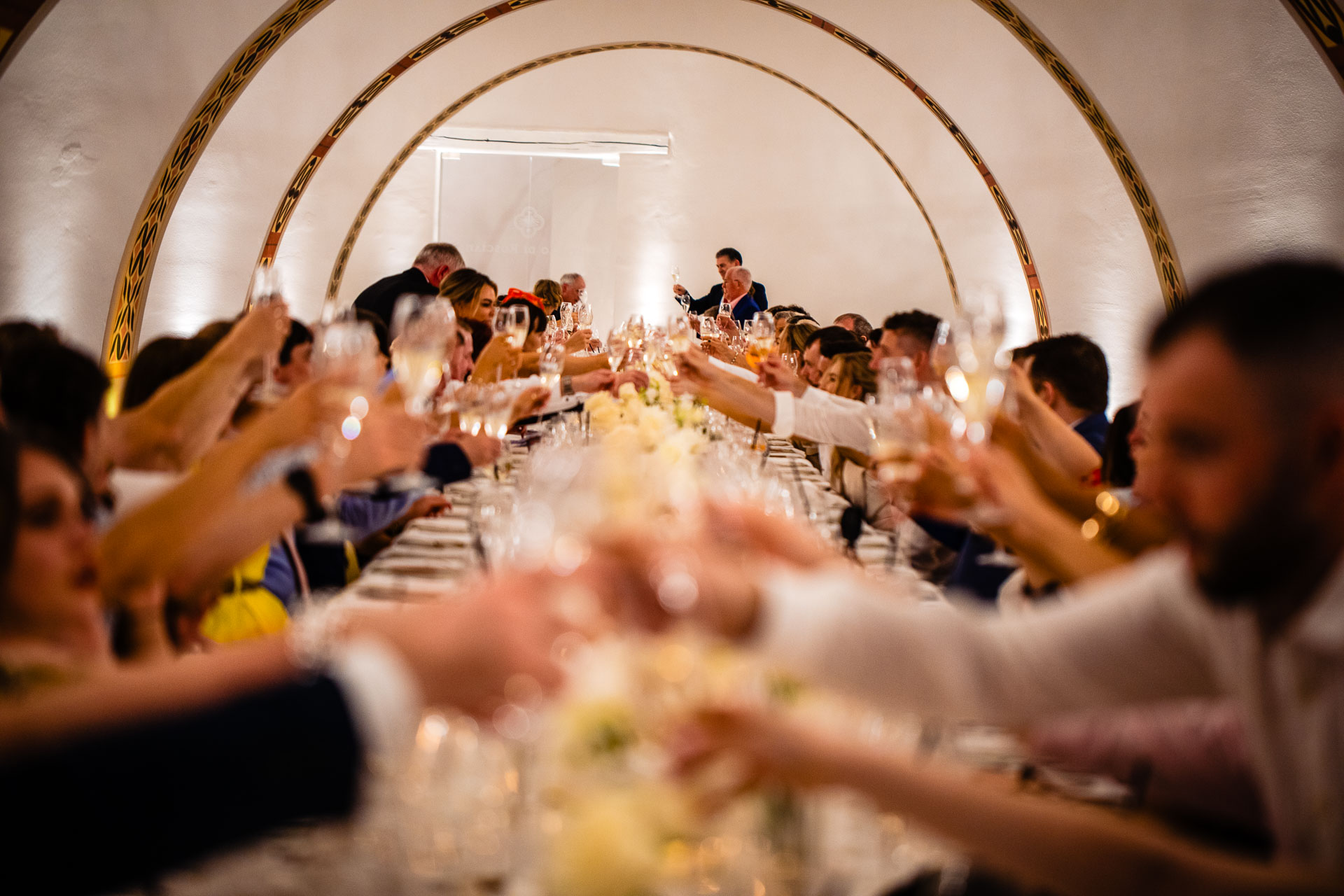
In Italy, the wedding meal is usually a full culinary experience.
A standard wedding day often includes several different moments:
aperitivo with food stations and drinks;
wine, water and coffee service;
wedding cake cutting;
dessert buffet or sweet corner;
open bar or after-dinner bar service;
staff, setup and service logistics.
This is why comparing Italian catering prices to a simple dinner price can be misleading.
You are not only paying for food.
You are paying for service, timing, staff, equipment, logistics and the overall guest experience.
The aperitivo is one of the most loved parts of an Italian wedding.
It usually happens after the ceremony, while guests enjoy drinks, conversation and a generous selection of food before the seated dinner begins.
A wedding aperitivo may include:
fried vegetables or local specialties;
cured meats such as prosciutto, salami and local ham;
seasonal vegetables;
seafood stations, depending on location and menu;
live cooking stations;
prosecco, wine, beer, spritz and soft drinks.
For many guests, the aperitivo already feels like a full meal.
But in an Italian wedding, it is usually only the beginning.
After aperitivo, guests usually move to the dinner area for the seated meal.
A classic Italian wedding dinner often includes:
Antipasto: a plated starter or light first course;
Primo: pasta, risotto or another regional first course;
Secondo: meat, fish or vegetarian main course with garnish;
Dessert: wedding cake, dessert buffet or sweet corner.
The exact structure depends on the caterer, region, venue and couple’s preferences.
Some weddings include two primi, a more elaborate main course or a larger dessert experience.
Others choose a lighter structure if the aperitivo is particularly generous.
A good caterer will help balance abundance, rhythm and guest comfort.
Dessert and Wedding Cake
Dessert is often another important moment in an Italian wedding.
Depending on the caterer and package, couples may choose:
a traditional wedding cake;
a millefoglie cake prepared or assembled on-site;
The cake cutting can also become a visual moment, especially when paired with music, lighting, sparklers or a scenic location at the venue.
The open bar is often priced separately from the main meal.
This is one of the most common details couples forget when comparing catering proposals.
An open bar may include:
bar counter or setup;
ice, glassware and service equipment;
service for a fixed number of hours.
Open bar pricing usually depends on duration, drink selection, guest count and supplier structure.
Always confirm whether the open bar is included in the catering quote or listed as a separate item.
How Much Does Wedding Catering Cost in Italy?
For a destination wedding in Italy, catering prices can vary significantly.
As a general planning reference, couples may expect wedding catering to range from approximately €130 to €300+ per person for the wedding day, depending on menu, venue, region, service level, rentals and bar structure.
More essential packages may sit toward the lower end, while refined menus, premium wines, elaborate aperitivo, extended open bar, live cooking stations, luxury service or complex logistics can increase the price.
In high-end venues or luxury destination wedding settings, catering can exceed these ranges.
The most important point is to understand what is included before comparing prices.
Venue Catering vs External Catering
Italian wedding venues usually work in one of three ways.
Some venues provide their own catering.
This can simplify logistics because the venue and food service are managed by the same team.
However, it is still important to check menu flexibility, service standards, bar structure, tastings and what is included.
Some venues require couples to use one specific caterer or a short list of approved catering companies.
This can work well when the caterer knows the venue and provides reliable service.
But couples should review pricing, menu options and contract terms before booking the venue.
Other venues allow external catering.
This gives more flexibility but may require additional planning.
External catering can involve:
temporary kitchen setup;
delivery and transport costs;
tables, chairs and rental items;
power, water or technical requirements;
setup and dismantling logistics.
External catering is not automatically more expensive or cheaper.
It depends on the venue infrastructure and what must be brought in.
What Is Usually Included in a Catering Quote?
Every caterer structures proposals differently.
A wedding catering quote in Italy may include:
wine, water and coffee;
wedding cake or cake service;
setup and breakdown.
Other items may be excluded and charged separately.
specialty cocktails;
late-night collection;
additional events such as welcome dinner or brunch.
Always ask for a clear proposal showing inclusions and exclusions.
How Guest Count Affects Catering Cost
Guest count has a direct impact on the catering budget.
More guests means more food, drinks, staff, tables, chairs, glassware and service logistics.
However, some fixed costs can be spread across a larger guest count.
This means that the per-person price for a small wedding can sometimes feel higher than for a larger wedding.
For example, a 30-guest wedding still requires chefs, staff, transport, setup and equipment.
A 100-guest wedding may benefit from more efficient scaling, depending on the caterer and venue.
This does not mean larger weddings are cheaper overall.
It simply means the per-person pricing structure can behave differently.
Additional Catering Costs Couples Often Forget
When reviewing catering proposals, look carefully for extra costs.
special dietary menus;
kitchen tent or equipment;
second event catering for welcome dinner or brunch.
These costs are normal, but they should be visible from the beginning.
A clear catering budget prevents unpleasant surprises later.
Wedding Catering Cost Examples
These examples are only broad planning references and should not be treated as fixed pricing.
Always compare proposals based on what they include, not only the per-person number.
Questions to Ask Your Wedding Caterer in Italy
Before confirming a caterer, ask:
Is VAT included in the quote?
Is the open bar included or separate?
How many hours of service are included?
What happens if the party runs late?
Are tables, chairs, linens and tableware included?
Are vendor meals included or separate?
Are children’s meals available?
Can dietary requirements be managed?
Is a tasting included?
What staff-to-guest ratio is planned?
What equipment must be rented separately?
Are welcome dinner and brunch options available?
What is the payment schedule?
These questions will help you understand the real catering cost and avoid comparing incomplete proposals.
Is Italian Wedding Catering Worth the Cost?
For most couples, yes.
Food is one of the elements guests remember most from a wedding in Italy.
A generous aperitivo, regional menu, good wine, attentive service and well-managed bar can transform the wedding from a beautiful event into a full Italian experience.
The goal is not to choose the most expensive caterer.
The goal is to choose the caterer who can deliver quality, reliability and a dining experience that fits your wedding vision.
Frequently Asked Questions
How much does wedding catering cost in Italy?
Wedding catering in Italy may range from approximately €130 to €300+ per person for the wedding day, depending on menu, region, venue, service level, rentals and bar structure.
Is open bar included in Italian wedding catering?
Sometimes, but often it is priced separately. Open bar costs depend on duration, drink selection, guest count and whether a full bar setup is required.
What is included in an Italian wedding meal?
A typical Italian wedding meal often includes aperitivo, seated dinner, wine and beverages, dessert, wedding cake and sometimes open bar. The exact structure depends on the caterer and venue.
Do Italian caterers provide tables and chairs?
Some caterers include tables, chairs, linens and tableware, while others charge these separately or require a rental company. Always confirm what is included in the proposal.
How much should we budget for food and beverage in an Italy wedding?
Food and beverage are usually one of the largest budget categories. The total depends on guest count, number of events, menu level, bar structure and whether rentals or additional services are included.
Wedding catering in Italy is not simply a meal.
It is part of the experience your guests travel for.
From aperitivo to seated dinner, dessert and open bar, Italian catering brings hospitality, culture and celebration together.
The cost can be significant, but when planned properly, it is one of the most valuable investments in the wedding day.
Choose a caterer who understands your venue, your guests, your timing and the atmosphere you want to create.
The result should feel generous, elegant and unmistakably Italian.
Planning Your Wedding Menu in Italy?
Dolce Promessa helps international couples create refined destination weddings across Tuscany, Lake Como, the Amalfi Coast, Rome and private Italian estates — with catering guidance, budget clarity, trusted vendors, design direction, venue selection and guest logistics.
Begin your wedding journey with us.
With care, Sofia Lead Planner & Experience Designer Dolce Promessa