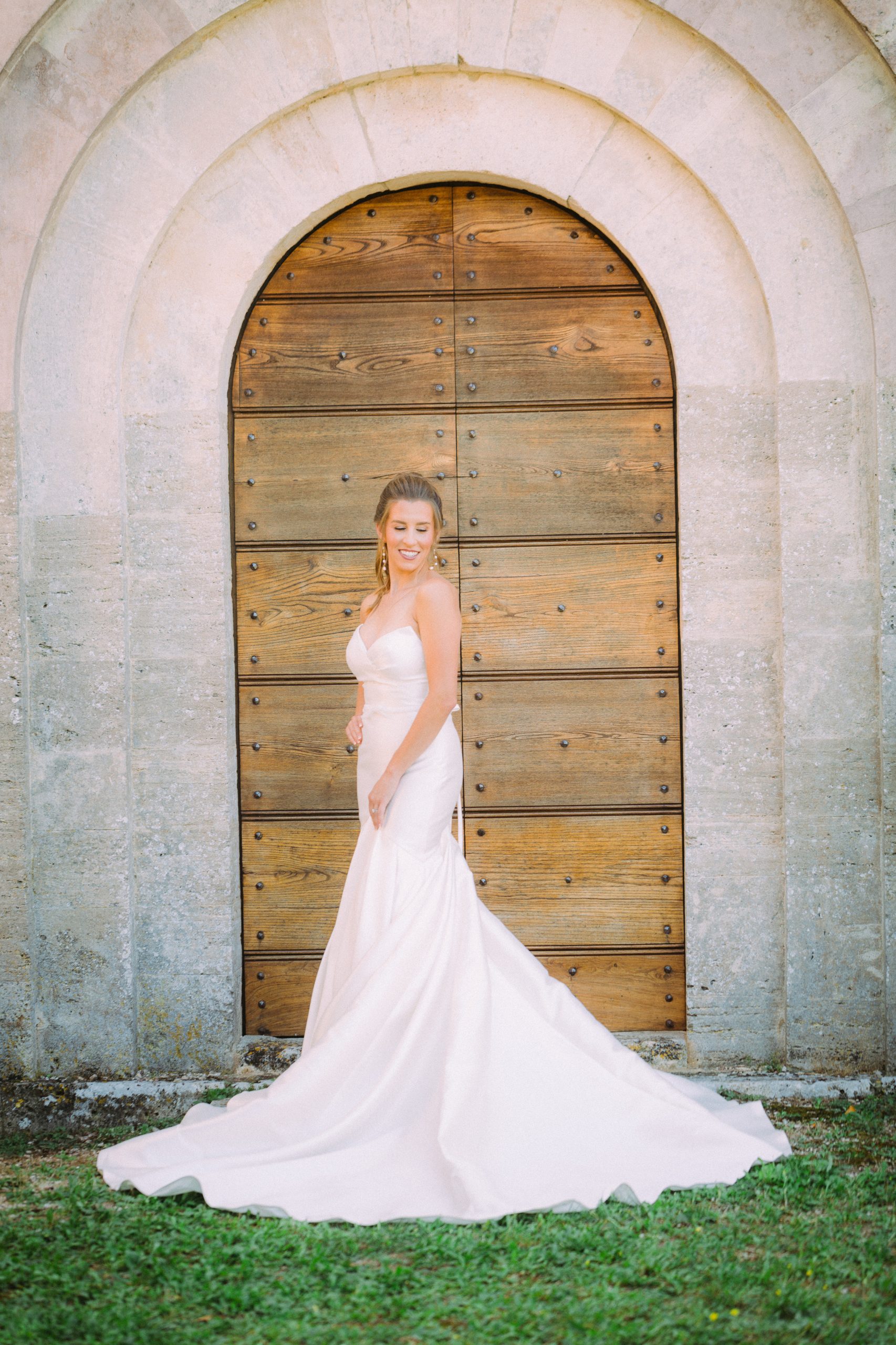
DESIGN EXPERIENCE
Wedding Dress Shopping Tips: How to Find Your Dream Gown Without Stress
Wedding dress shopping tips — Discover expert tips on choosing the right gown, bridal sizing, budgeting, and more in this ultimate wedding dress shopping guide!
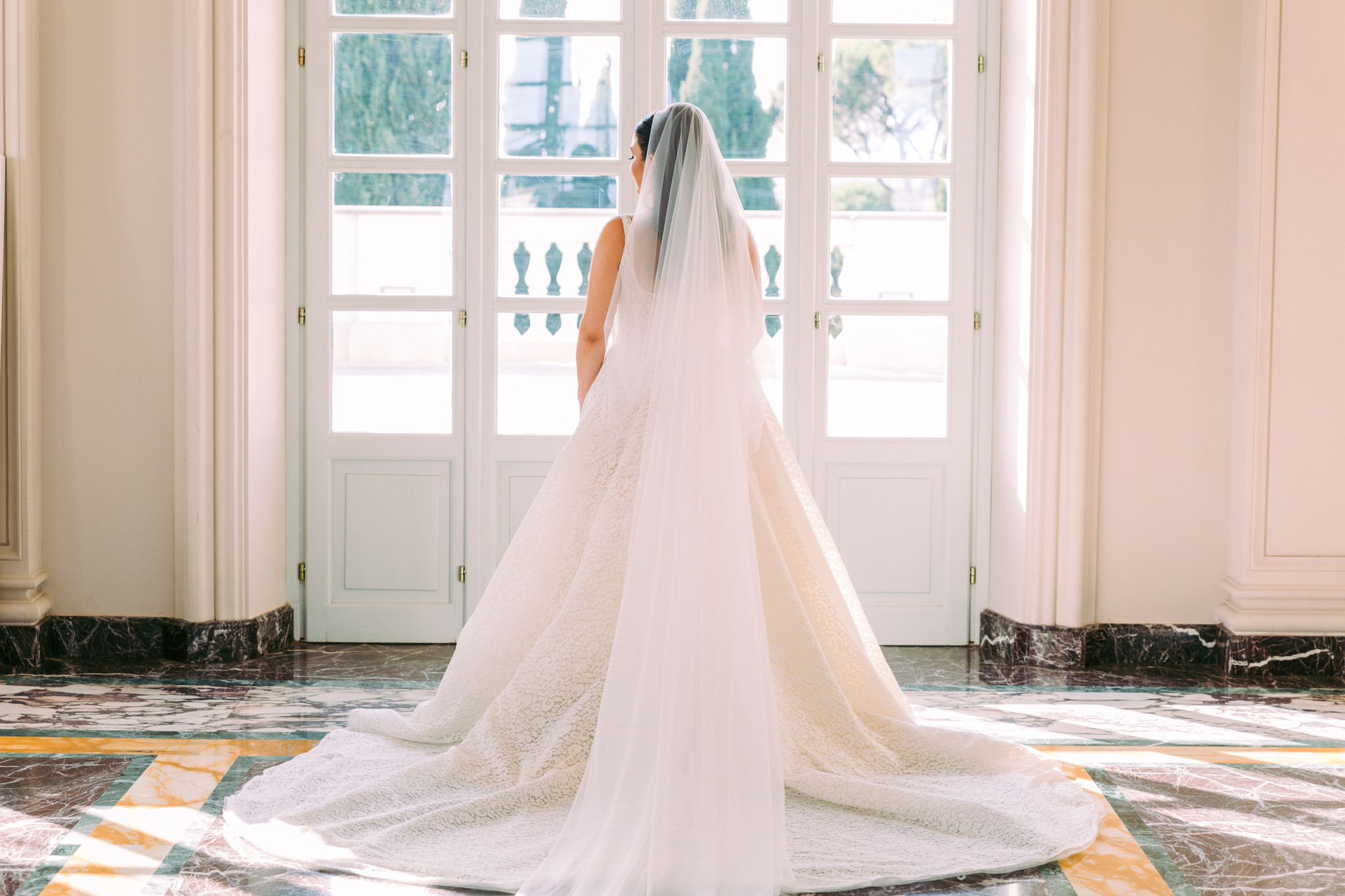
Wedding Dress Shopping Tips
How to Find Your Dream Gown Without Stress
Finding your wedding dress is one of the most emotional milestones of the planning journey.
It can feel exciting, intimate and unforgettable.
It can also feel overwhelming.
With endless silhouettes, fabrics, designers, trends and opinions, many brides quickly realize that wedding dress shopping is not only about choosing something beautiful.
It is about choosing a gown that feels like you, works with your body, suits your venue and supports the atmosphere of the wedding day.
Whether you have imagined your dress for years or are just beginning the search, these wedding dress shopping tips will help you approach the process with clarity and confidence.
Start with Inspiration
Before booking your first bridal appointment, gather visual inspiration.
Browse bridal magazines, designer websites, Pinterest and Instagram to understand what naturally attracts you.
Look for patterns in the gowns you save.
Do you keep choosing:
clean minimalist silhouettes;
romantic lace details;
soft flowing fabrics;
modern architectural lines.
You do not need to know the exact dress before shopping.
But understanding your direction will help your stylist guide you better.
Many brides enter a bridal salon with a very clear idea and leave surprised by what actually feels right.
A gown that looks perfect online may not feel right on your body.
A dress you would never choose from a hanger may look beautiful once worn.
Try different silhouettes before deciding too quickly.
fit-and-flare silhouettes;
soft romantic layers;
modern minimalist gowns.
The goal is not to abandon your taste.
It is to give yourself enough space to discover what truly works.
Understand Bridal Sizing
Bridal sizing often works differently from everyday clothing.
Wedding dresses may run several sizes larger than your normal size, depending on the designer and country of production.
Do not let the number on the label affect your confidence.
Bridal sizing is technical.
What matters is fit, proportion, comfort and how the dress makes you feel.
A bridal stylist will usually take your measurements and recommend the best size for alterations.
Start Early, but Not Too Early
Many wedding dresses require months for production, shipping, fittings and alterations.
A good general rule is to begin dress shopping around 9 to 12 months before the wedding .
This gives you enough time for:
bridal appointments;
shipping and delivery;
safe transport before the wedding.
If your wedding is more than a year away, avoid rushing unless you feel completely certain.
Your taste, body, venue or styling vision may evolve during the planning process.
Set a Realistic Dress Budget
Before your first bridal appointment, decide your total bridal fashion budget.
The dress itself is only one part of the cost.
Remember to include:
veil or hair accessories;
second look, if desired;
cleaning and preservation after the wedding;
transport if you are flying with the gown.
If your total budget is fixed, choose a dress slightly below the maximum so there is room for the necessary finishing details.
Consider Your Wedding Venue and Destination
Your wedding dress should feel connected to the place where you are getting married.
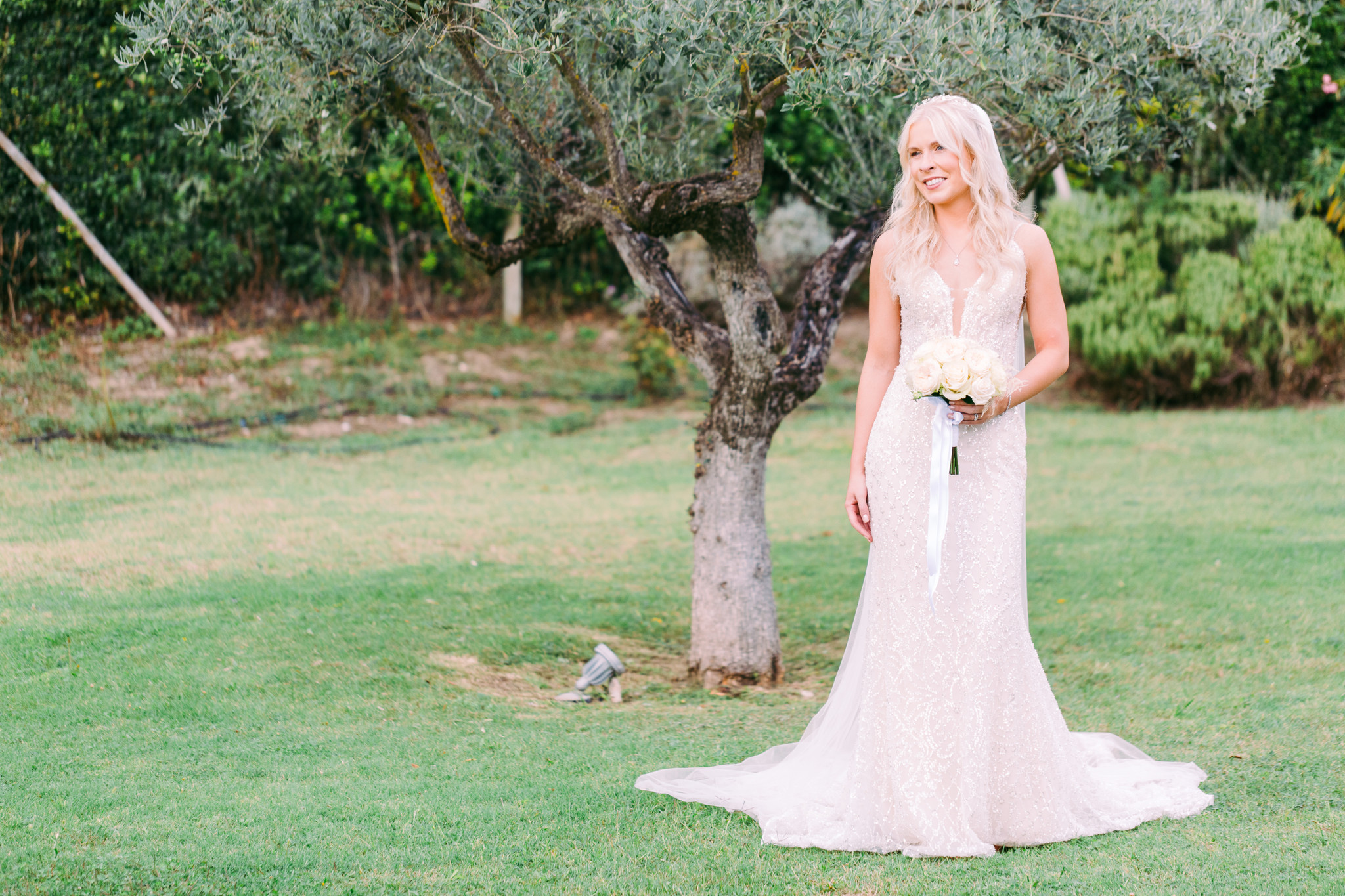
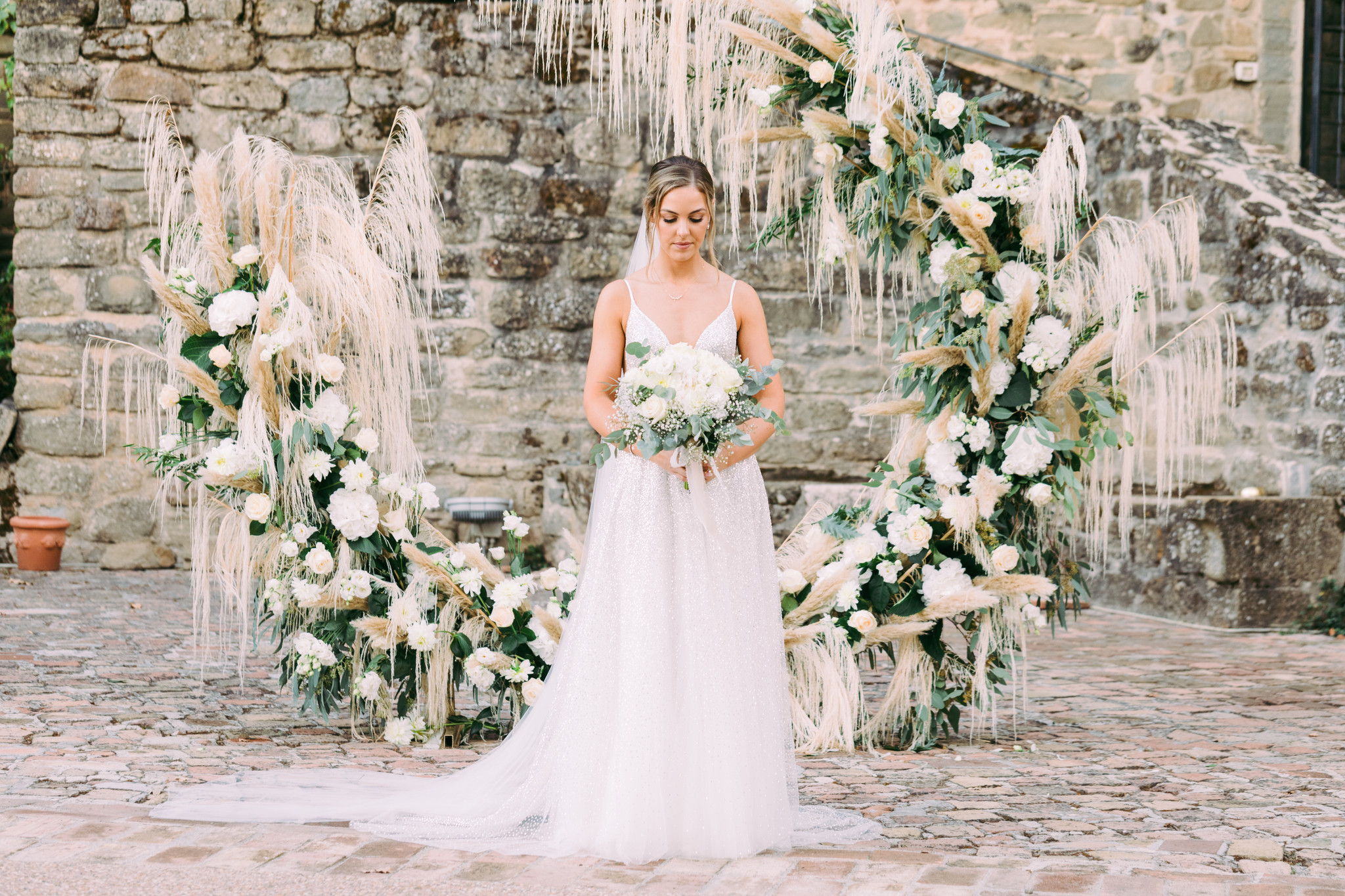
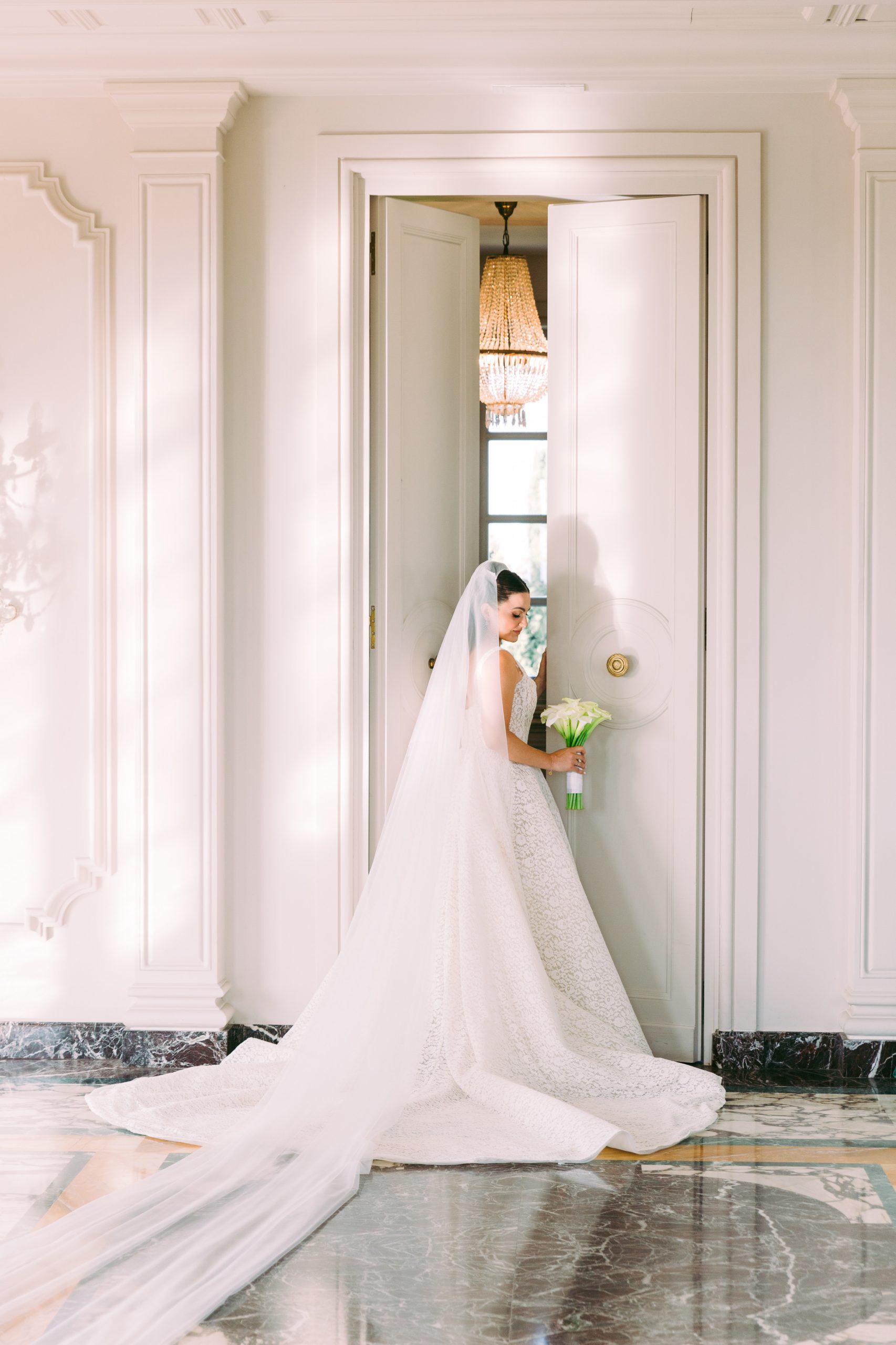
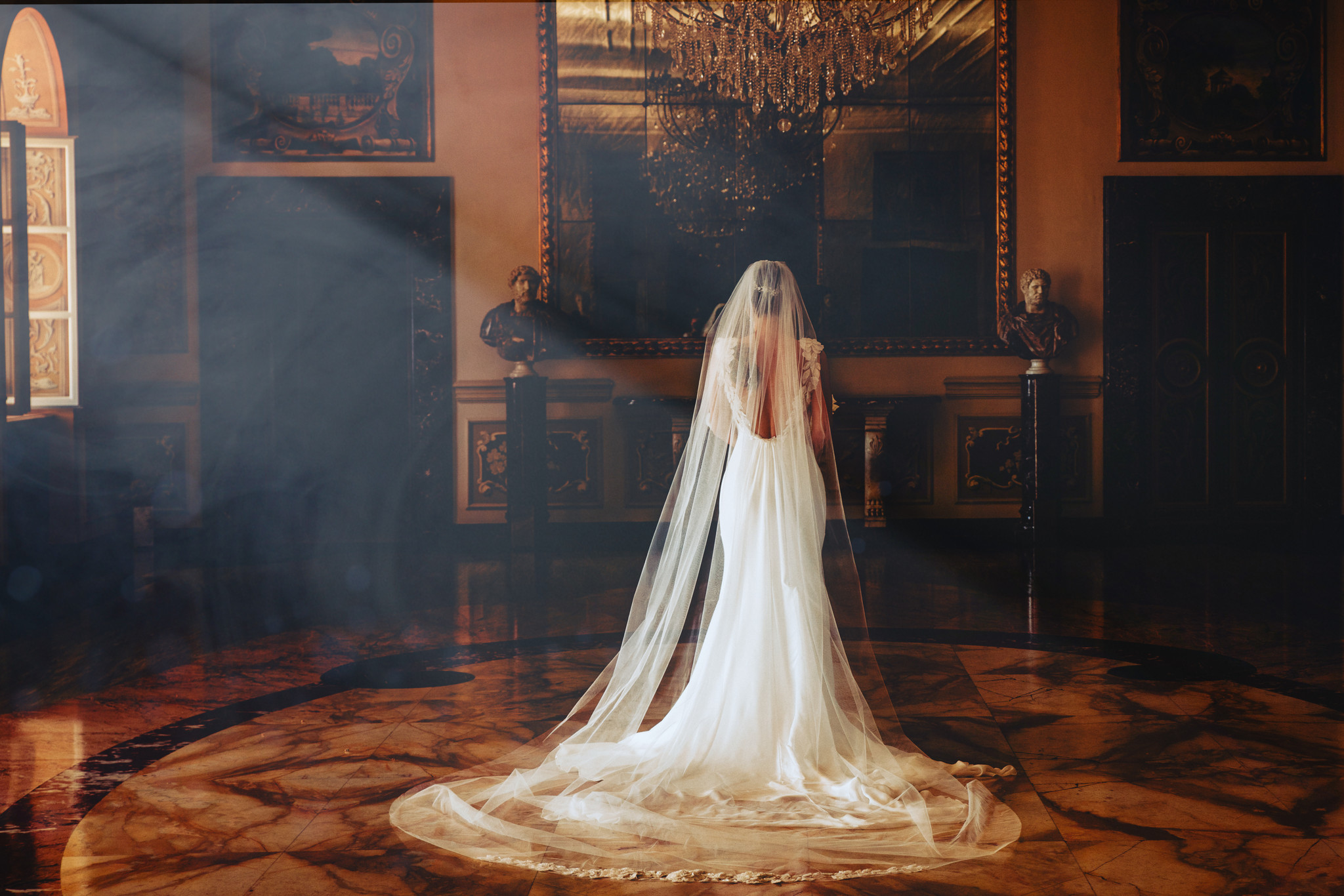
A gown for a formal villa in Lake Como may be different from a gown for a Tuscan countryside estate, an Amalfi Coast terrace or a Roman palace.
For a destination wedding in Italy, consider:
the season and temperature;
whether the ceremony is outdoors;
grass, gravel, stone paths or stairs;
the level of formality;
how much walking is required;
whether you need to travel with the dress by plane;
the atmosphere of the venue;
how the gown will photograph in natural light.
A dramatic gown can be stunning, but it should still allow you to move, breathe, sit, dance and enjoy the day.
Choose a Reputable Bridal Salon
The bridal salon experience can strongly influence how calm and confident you feel.
Before booking, research boutiques carefully.
designer collections;
appointment structure;
experience with destination brides.
If you are looking for a specific style, call ahead to confirm that the salon carries dresses aligned with your vision.
Bridal salons usually require appointments.
This allows a consultant to prepare, understand your preferences and guide you through the process.
Before the appointment, share:
your venue or destination;
your preferred budget;
styles you want to avoid;
any body areas you want to highlight or feel comfortable about;
practical needs such as heat, travel or religious ceremony requirements.
The more information your stylist has, the better they can support you.
Choose Three Words for Your Dream Dress
If you feel overwhelmed, choose three words to describe how you want to feel in your gown.
classic, elegant, timeless;
romantic, soft, feminine;
modern, clean, architectural;
glamorous, dramatic, polished;
effortless, light, refined;
fashion-forward, bold, editorial.
These words can help your stylist narrow the search and avoid too many disconnected options.
They also help you stay grounded when outside opinions become loud.
The fabric of a wedding dress affects how it moves, photographs and feels on the body.
Heavier fabrics such as satin, mikado or taffeta can create structure and shape.
Lighter fabrics such as chiffon, silk, organza or tulle can feel softer and more fluid.
Lace can feel romantic, traditional or modern depending on the pattern and construction.
For an Italy destination wedding, fabric choice is especially important because of temperature, travel and outdoor settings.
If you are getting married in July in Tuscany or on the Amalfi Coast, a heavy gown may feel different in reality than it does inside an air-conditioned salon.
Bring the Right Shoes and Undergarments
If you already know your approximate heel height, bring shoes with a similar height to your appointment.
This helps you understand the proportions of the dress more accurately.
Neutral, seamless undergarments can also make the try-on experience cleaner and more realistic.
You do not need to have every accessory ready, but small practical details can help you see the full picture.
Do Not Judge a Dress on the Hanger
Some gowns look ordinary on the rack and extraordinary once worn.
Others look impressive on the hanger but do not feel right on the body.
Give each dress a fair chance.
Bridal gowns are designed for movement, posture and proportion.
The real test is not how the dress looks hanging.
It is how you feel when you stand in it.
If the bridal salon allows it, ask someone you trust to take photos and short videos during the appointment.
Seeing the gown from different angles can help you make a clearer decision.
how the fabric catches light;
how you sit and walk;
whether you keep adjusting the dress.
Video can be especially useful because your wedding day will not be still.
You will move, hug, dance, walk and sit.
Limit Outside Opinions
Bringing too many people to a bridal appointment can make the decision harder.
Choose a small group of people who understand your taste and support your confidence.
The wrong comments at the wrong moment can create doubt.
The right people will help you listen to yourself.
Your wedding dress should make you feel like the best version of yourself, not like someone else’s idea of a bride.
Trying on too many dresses can create decision fatigue.
After a certain point, gowns begin to blur together and confidence can fade.
If you find a dress that fits your body, your venue, your budget and your emotional vision, allow yourself to stop searching.
You do not need to try every dress in the world to know you have found the right one.
Personalize with Alterations
A skilled seamstress can make a beautiful dress feel truly yours.
Alterations may include:
neckline refinements;
adding or removing small design details.
Always leave enough time for fittings.
A perfect fit often matters more than the original sample size or designer label.
Plan How You Will Transport the Dress
If you are having a destination wedding in Italy, dress transport needs planning.
Ask your bridal salon how the gown should be packed and whether it can travel safely by plane.
whether the dress can be carried on board;
airline cabin policies;
how much steaming it will need after arrival;
where it will be stored before the wedding;
whether your planner can coordinate steaming locally;
whether your gown fabric wrinkles easily.
Do not leave this detail until the week of travel.
Store Your Dress Safely
Once your dress arrives, store it carefully.
Keep it in a safe, dry place, away from pets, children, moisture, strong sunlight and food or drink.
If you live with your partner and want to keep the dress a surprise, consider storing it with a trusted friend or family member.
Your salon can also advise whether the gown should hang or lie flat depending on its fabric and structure.
Enjoy the Experience
Wedding dress shopping is not meant to be a test.
It is a personal and emotional part of the wedding journey.
There may be doubts, surprises and unexpected choices.
Give yourself permission to enjoy the process without pressure to have the perfect reaction or the perfect appointment.
The right gown should support you, not overwhelm you.
Frequently Asked Questions
When should I start wedding dress shopping?
A good time to start is around 9 to 12 months before the wedding. This allows time for ordering, delivery, alterations and final fittings.
What should I bring to a bridal appointment?
Bring inspiration images, shoes with a similar heel height, neutral undergarments and a small group of trusted people whose opinions genuinely support you.
How do I choose a wedding dress for a destination wedding in Italy?
Consider the venue, season, temperature, terrain, formality and travel logistics. The dress should feel beautiful but also practical for the setting.
Should I buy a dress more than a year before the wedding?
It can be possible, but be careful. If your wedding is more than a year away, your style, venue or vision may still evolve. Buy early only if you feel very confident.
How do I avoid stress when choosing my wedding dress?
Set a budget, gather inspiration, choose a reputable salon, keep an open mind, limit opinions and stop searching once you find a gown that feels right.
Finding your wedding dress should feel meaningful, not stressful.
Start with inspiration, stay open, respect your budget and choose a gown that fits both your body and your wedding setting.
Whether your dream is classic, modern, romantic, minimal or dramatic, the perfect gown is not only the one that photographs beautifully.
It is the one that lets you feel present, confident and completely yourself.
Planning Your Bridal Style for a Wedding in Italy?
Dolce Promessa helps international couples create refined destination weddings across Tuscany, Lake Como, the Amalfi Coast, Rome and private Italian estates — with design direction, venue guidance, vendor curation, budget clarity and guest logistics.
Begin your wedding journey with us.
With care, Sofia Lead Planner & Experience Designer Dolce Promessa